
Recognize NVLD/DVSD Symptoms
Learn to identify NVLD/DVSD symptoms at different ages

Distinguish NVLD/DVSD from Other Conditions
Differentiate NVLD/DVSD symptoms from ADHD, Autism, SLD's and Dyspraxia

Assessment and Support
Recommend assessments and support strategies for NVLD/DVSD
About the Course
Nonverbal Learning Disability (NVLD) is a neurodevelopmental condition characterised primarily by deficits in visual-spatial processing, which affect the ability to perceive, interpret, and organise spatial relationships and nonverbal information. A new name for the condition - Developmental Visual Spatial Disorder (DVSD) - has been proposed along with detailed diagnostic criteria that have been submitted for inclusion in the DSM. Impairments in such a core cognitive process can substantially impact academic achievement, adaptive functioning, coordination of motor responses, and social-communicative competence. Although the condition is estimated to be widespread, NVLD/DVSD is often mistaken for other conditions, including ADHD, ASD, SLD, and Dyspraxia, and while it shares some symptoms with them, there are important differences in the origins of those symptoms. These differences have significant implications for assessment and management. Attentional issues in NVLD/DVSD mean it can look like ADHD, but it does not respond to medication. Social difficulties can lead to a diagnosis of ASD, but because the reasons behind those challenges are so different, other management strategies must be adopted. This essential course helps you confidently identify and differentiate NVLD/DVSD — so you can deliver the right support at the right time.

Meet the Authors - Dr Jessica Broitman, Phd.
Jessica is a US psychologist and psychoanalyst who has been in private practice since 1980, having begun her career as a school psychologist. She is a leading voice on nonverbal learning disability. She co-authored Nonverbal Learning Disabilities in Children: Bridging the Gap Between Science and Practice (2011), NVLD and Developmental Visual-Spatial Disorder in Children: Clinical Guide to Assessment and Treatment (2020), and Understanding Nonverbal Learning Disability (2021). She is part of the team working to have NVLD recognised in the DSM as developmental visual-spatial disorder, and she continues to publish research on the condition. She is President of the International Control Mastery Therapy Center.
John Harrington, MBA
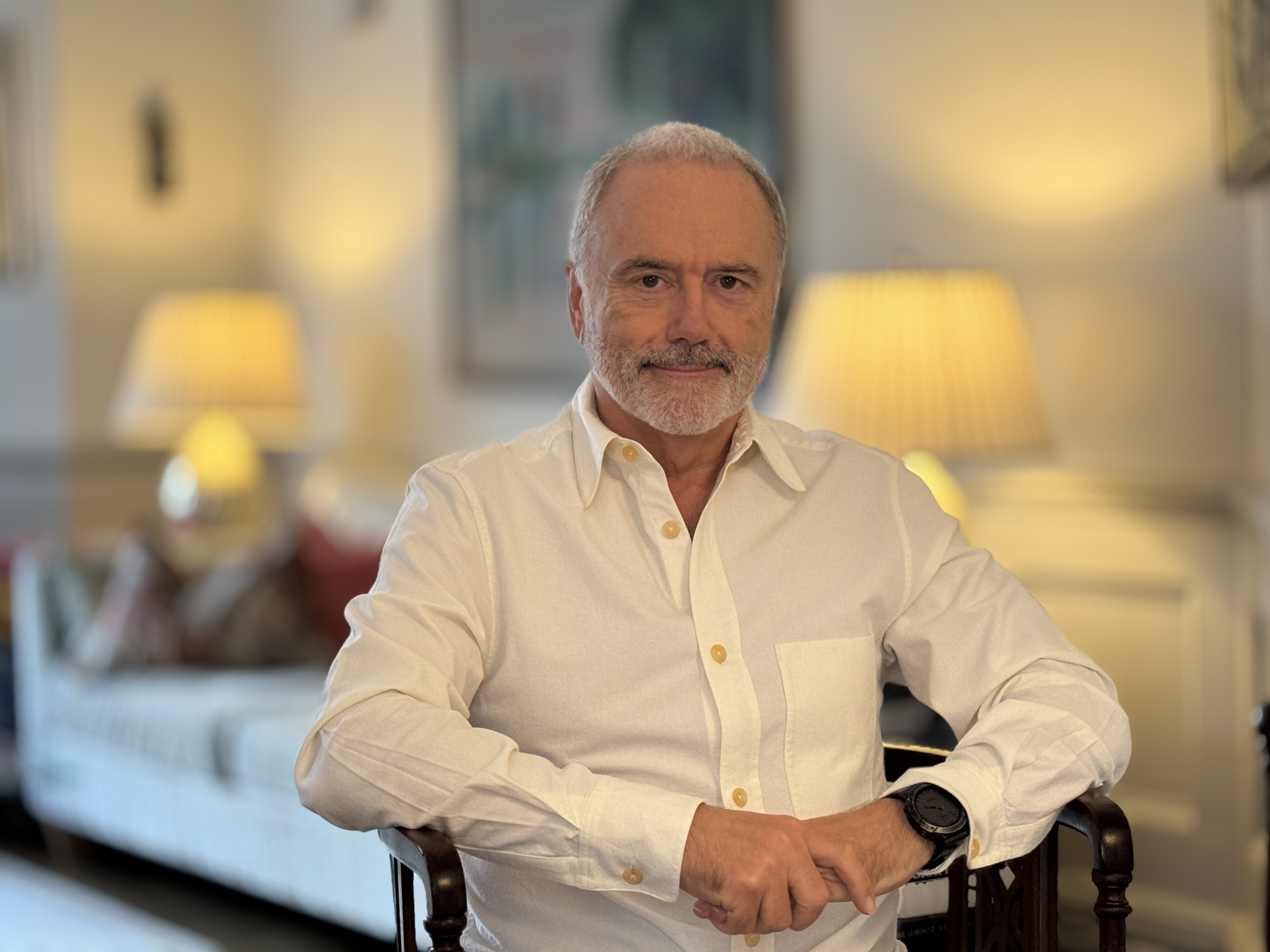
John is an executive coach specialising in ADHD, NVLD and other forms of neurodivergence, and co-owner of Refocus, a coaching and workplace consultancy based on Wimpole Street in Central London. He is one of the UK's leading voices on nonverbal learning disability and has developed CPD-accredited NVLD training for clinicians, educators and families. His clients include university students, executives, entrepreneurs and people seeking a new direction, and he advises organisations on building more neuro-inclusive workplaces. Before coaching, John spent many years in international broadcasting and media finance, which gives him a practical, commercially grounded perspective on how neurodivergent people succeed at work.
The syllabus
-
-
(Included in full purchase)
Course Overview
-
(Included in full purchase)
-
-
(Included in full purchase)
What is going on with NVLD?
-
(Included in full purchase)
Background and Current Status of NVLD
-
(Included in full purchase)
-
-
(Included in full purchase)
Section 2.1: Proposed Diagnostic Criteria
-
(Included in full purchase)
Presentation: Proposed Diagnostic Criteria
-
(Included in full purchase)
Section 2.2: Living with NVLD/DVSD Across the Lifespan
-
(Included in full purchase)
Presentation: Living with NVLD/DVSD across the Lifespan
-
(Included in full purchase)
Living with NVLD: Megan
-
(Included in full purchase)
Section 2.3: Strengths of NVLD/DVSD
-
(Included in full purchase)
Presentation: The Strengths of NVLD/DVSD
-
(Included in full purchase)
NVLD Strengths with Megan Suggitt
-
(Included in full purchase)
Section 2.4: Insights from Neuroimaging
-
(Included in full purchase)
Presentation: Insights from Neuroimaging
-
(Included in full purchase)
Section 2.5: Associated Profiles
-
(Included in full purchase)
Presentation: Associated Profiles
-
(Included in full purchase)
Section 2.6: Prevalence
-
(Included in full purchase)
Presentation: The Prevalence of NVLD
-
(Included in full purchase)
-
-
(Included in full purchase)
Section 3.1: NVLD/DVSD and Autism Spectrum Disorder
-
(Included in full purchase)
Presentation: Distinguishing between NVLD and Autism Spectrum Disorder
-
(Included in full purchase)
Section 3.2: NVLD/DVSD and ADHD
-
(Included in full purchase)
Presentation: Understanding NVLD and ADHD
-
(Included in full purchase)
Section 3.3: NVLD/DVSD and Specific Learning Disorder
-
(Included in full purchase)
Presentation: Comparing NVLD and Specific Learning Disorders
-
(Included in full purchase)
Section 3.4: NVLD/DVSD and Developmental Coordination Disorder
-
(Included in full purchase)
Presentation: Differentiating between NVLD and Developmental Coordination Disorder (Dyspraxia)
-
(Included in full purchase)
-
-
(Included in full purchase)
Section 4: Assessment and Screening
-
(Included in full purchase)
Presentation: Assessing for NVLD/DVSD
-
(Included in full purchase)
Some insights into NVLD from Catherine
-
(Included in full purchase)
-
-
(Included in full purchase)
Section 5: Intervention and Support, an Overview
-
(Included in full purchase)
Presentation: Intervention and Support
-
(Included in full purchase)
-
-
(Included in full purchase)
20 multiple choice questions to test your knowledge of NVLD
-
(Included in full purchase)
-
-
(Included in full purchase)
What did you think of the course?
-
(Included in full purchase)
-
-
(Included in full purchase)
References & Bibliography
-
(Included in full purchase)
-
-
(Included in full purchase)
Reflection Exercises
-
(Included in full purchase)
Ready to Master NVLD/DVSD?
Join now to gain the skills and confidence to excel in recognizing and supporting individuals with NVLD/DVSD.